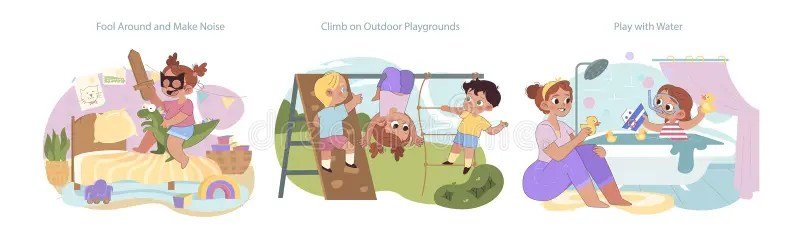
Let’s face it: adulthood often feels like an endless to-do list, a relentless march through responsibilities, and a constant battle against the clock. But what if the antidote to the grind, the secret to unlocking fresh perspectives and genuine delight, lies in something surprisingly simple? It's time to rediscover the profound power of Unstructured Time & Mundane Adventures – the kind of grown-up play that sparks adult creativity, deepens connections, and injects much-needed joy back into your life.
This isn't about escaping reality; it's about enriching it. It’s about transforming the mundane into the magical, the stressful into the vital, and the monotonous into the exciting. You might think play is just for kids, but science (and a healthy dose of human experience) says otherwise.
At a Glance: Why Adult Play Is Your Secret Weapon
- Boosts Creativity: Unlocks new ideas and problem-solving abilities.
- Slashes Stress: Reduces anxiety and improves mood.
- Deepens Relationships: Fosters connection, empathy, and shared joy.
- Expands Identity: Helps you explore new sides of yourself.
- Reduces Perfectionism: Makes learning and trying new things less daunting.
- Fights Burnout: Recharges your mental and emotional batteries.
- Easy to Start: Can be integrated into your day with just a few minutes.
The Myth of "Productivity" and the Truth About Play
Somewhere along the path to grown-up glory, many of us bought into a powerful myth: that play is unproductive, immature, and a distraction from our "real" responsibilities. We swapped spontaneous laughter for strategic planning, whimsical curiosity for serious analysis, and open-ended exploration for goal-oriented tasks. The result? A pervasive sense of weariness, creative blocks, and often, a nagging feeling that something essential is missing.
But play isn't the opposite of work; it's often the catalyst for better work. It’s a voluntary activity done purely for enjoyment, infused with curiosity, creativity, and spontaneity. Think about it: inventing office mini-games during a slow afternoon, embarking on a whimsical reading challenge, or simply jamming casually with friends on instruments you haven't touched in ages. These seemingly "unproductive" moments foster an atmosphere of openness and exploration that directly translates into real-world benefits.
The Hard Science of Grown-Up Fun: Why Your Brain Needs Play
It's not just a feeling; the benefits of adult play are backed by solid scientific evidence. Your brain isn't "shutting down" when you play; it's firing up in exciting new ways.
Unlocking Your Inner Innovator: Creativity and Problem-Solving
When you engage in play, you activate brain circuits associated with curiosity, exploration, and divergent thinking. This means your mind starts making fresh, unexpected connections between ideas, leading to genuine "aha!" moments.
Consider the simple act of building with LEGOs. While it might seem like a childhood pastime, adults who engage in such creative, tactile play often find that the process of connecting disparate pieces and imagining new structures can unexpectedly illuminate solutions for complex professional or personal problems. It's a low-stakes environment where trial and error is celebrated, not feared, paving the way for breakthroughs in areas where you might feel stuck.
Your Brain's Favorite De-Stresser: Mood Regulation and Resilience
Ever noticed how a good laugh or an engaging game can instantly lift your spirits? That’s not an accident. Play triggers a cascade of positive emotions, which in turn reduces stress hormones like cortisol. The effect is measurable and profound.
A 2017 study, for example, found that participants who engaged in short, daily play activities – even just 15 minutes of a simple drawing game – reported significantly less stress and greater relaxation. Think of play as a natural mood regulator, a built-in mechanism to help you bounce back from daily pressures and navigate challenges with greater ease. It’s a vital ingredient in transforming stress into vitality.
Forging Deeper Bonds: Social Connection and Empathy
Humans are wired for connection, and play is one of our most powerful tools for building and strengthening those bonds. When you engage in group play, you're not just having fun; you're sharing laughter, practicing cooperation, and building trust. These shared experiences are crucial for fostering deeper connections and cultivating empathy.
Whether it’s a spontaneous game of charades, a spirited board game night, or an improv class, the shared vulnerability and joy of play break down barriers. You see others, and they see you, in a more authentic, unguarded light, creating a foundation for more meaningful relationships.
What Does "Adult Play" Even Look Like? Mapping Your Play Style
Adult play isn't limited to specific activities; it's about the mindset you bring to whatever you do. It's about approaching life with curiosity, spontaneity, and a genuine desire for enjoyment. Still, categorizing different types of play can help you identify what resonates most with you.
- Physical Play: Move Your Body, Free Your Mind
This category includes anything that gets you active and releases those feel-good endorphins. Think weekend soccer leagues, salsa dance classes, hiking, frisbee in the park, or even just silly stretches while waiting for your coffee to brew. It’s about movement for the sheer joy of it, not just for fitness goals. - Social and Collaborative Games: Connect and Compete
From tabletop role-playing games and elaborate board game nights to improv groups or simply a casual card game with friends, these activities emphasize cooperation, friendly rivalry, and shared storytelling. A monthly board game potluck, for instance, can become a cherished ritual that nourishes your friendships. - Creative Play and Hobbies: Express Without Pressure
This is where your inner artist or tinkerer comes alive. It's about engaging in artistic hobbies – painting, writing, sculpting, knitting, learning an instrument – purely for the intrinsic joy of creation, without any performance pressure. Entering a "flow" state where you lose track of time while sculpting clay figures or tinkering with electronics is deeply satisfying and creatively invigorating. - Mental/Puzzle Play: Sharpen Your Mind, One Challenge at a Time
For those who love a good brain teaser, this category includes puzzles, riddles, strategy games like chess or Go, crosswords, Sudoku, or even escape rooms. These activities challenge your cognitive skills in a playful, engaging way. - Digital or Virtual Play: Balanced Exploration
In moderation, digital play can offer rich experiences for exploration, social interaction, or escapism. Multiplayer online games, virtual reality (VR) experiences, or even captivating single-player adventures can provide a powerful sense of flow and connection. The key here is balance; ensure it complements, rather than replaces, your offline play and real-world interactions.
Making Room for Play in a Packed Schedule: Overcoming Adult Guilt
"I'm too busy." "I have too many responsibilities." "That's for kids." These are the common refrains that keep us from playing. Overcoming these mental hurdles is the first step toward reclaiming your playful spirit.
Reframe Play as Productive, Not Frivolous
The biggest obstacle is often guilt. We’ve internalized the message that time spent not working or ticking off chores is wasted. It’s time to reframe that narrative. Play isn't unproductive; it's deeply productive. It boosts your creativity, sharpens your problem-solving skills, enhances your mental health, and builds resilience. Viewing play as an investment in your well-being – as crucial as healthy eating or sleep – can help quiet that inner critic.
Schedule Your Unstructured Fun
This might sound counterintuitive, but sometimes the best way to embrace unstructured time is to schedule it. Mark a weekly "play slot" in your calendar – even if it's just 1-2 hours. This dedicated time is for purely enjoyable activities, with no agenda other than fun. It could be a nature walk, an art experiment, or trying a new board game. This small commitment can make a huge difference, much like a good habit outlined in My 2010 Slacker Diary might inspire you to build consistent, positive routines.
Micro-Breaks: Infuse Play into Your Daily Grind
You don't need a whole afternoon. Infuse your daily life with short bursts of play to reset mental fatigue and inject moments of joy.
- 5-Minute Puzzles: Keep a small crossword or Sudoku book handy.
- Silly Stretches: Take a moment to do exaggerated, playful stretches.
- "Mindless" Doodling: Keep a sketchbook or doodle pad by your workspace.
- Music Dance Break: Put on your favorite song and dance for a few minutes.
These micro-doses of play can significantly improve your focus and mood for the rest of the day.
The Real-Life Rewards: Seeing Play Transform Lives
The benefits aren't theoretical; they manifest in tangible improvements in your everyday life.
- Reducing Stress and Emotional Burnout: Imagine Sarah, a dedicated nurse. The unrelenting demands of her job were leading to severe mental exhaustion and a dwindling supply of patience. She reluctantly joined a casual adult dodgeball league with some friends. The sheer physicality, the laughter, and the release of hitting a soft ball proved transformative. She found herself returning to work with more patience, better focus, and a significant reduction in her overall stress levels. The playful competition gave her an outlet that no amount of quiet relaxation could provide.
- Strengthening Relationships: For David and Emily, a busy professional couple, connection often felt like another item on the chore list. They decided to institute a monthly "play date." Sometimes it was trying a new cooking class, other times it was exploring a new part of the city like tourists, or simply building a blanket fort and watching movies. These intentional playful moments re-ignited their intimacy, deepened their fondness for one another, and reminded them why they fell in love in the first place.
- Enhancing Creativity and Innovation: Alex, a writer, often battled severe creative blocks. Inspired by a podcast, he started daily 15-minute "free doodling" sessions. He’d just sketch whatever came to mind, without judgment or purpose. To his surprise, these seemingly unrelated sessions began to dissolve his writing blocks, sparking new ideas and leading to unexpected directions for his projects. The playful, non-pressured environment allowed his subconscious mind to make connections his conscious mind couldn't.
The Psychology of Play: Expanding Who You Are
Beyond the immediate benefits, play has a profound impact on your self-perception and identity.
Identity Expansion: Testing New Waters
Play offers a safe, low-risk environment to test out new roles, skills, or even facets of your personality. Want to be more spontaneous? Try an improv class. Curious about your artistic side? Pick up a paintbrush. When you engage in play, you're expanding your sense of self-efficacy, discovering hidden talents, and building confidence in new areas. It's like having a sandbox for your identity, where you can experiment without real-world consequences. This freedom to explore new avenues is often highlighted in reflections on personal growth, similar to the candid self-discovery detailed in My 2010 Slacker Diary.
Deflating Perfectionism: Embracing Learning Over Failure
Many adults are crippled by perfectionism and a deep-seated fear of failure. Play, by its very nature, helps to lighten this burden. In a playful mindset, mistakes aren't failures; they're part of the game, opportunities for a good laugh, or chances to learn and try a different approach. This shift in perspective can be liberating, encouraging you to take more risks, be more resilient, and focus on the process of learning rather than the pressure of a perfect outcome.
Navigating the Obstacle Course: Overcoming Barriers to Play
Even with all the benefits, integrating play can be challenging. Societal norms, personal habits, and emotional baggage can all stand in the way.
Cultural Attitudes and Social Pressure
We live in cultures that often glorify busyness and seriousness. Taking a "play break" at work might feel like you're slacking off. To counter this, gently advocate for playful breaks in team settings. Share research on how play boosts creativity, reduces stress, and improves focus. Model the behavior by taking a brief, playful stretch or suggesting a quick, fun brain game. You'd be surprised how quickly others might join in once permission is implicitly given.
The Triple Threat: Overcommitment, Digital Distractions, and Burnout
In an age of constant notifications and endless streaming options, it's easy to fill any free moment with digital consumption rather than active play. Overcommitment to work and social obligations also leaves little room for genuine leisure.
- Intentional Screen-Free Time: Schedule device "fasts" – specific times or days where phones, tablets, and computers are put away.
- Mindful Gatherings: Encourage friends and family to join screen-free activities.
- Prioritize True Leisure: Just as you’d plan for work, plan for play. Protect those scheduled play slots.
Emotional Barriers: Shame or Past Trauma
For some, the idea of play might trigger feelings of shame, inadequacy, or even past trauma. Perhaps they were told their play was "silly" or "a waste of time" as a child, or they associate play with unsafe or uncomfortable situations. If these deeper emotional barriers resonate with you, consider seeking professional support. A therapist can help you gently unpack these feelings. Gradually reintroduce low-stakes playful exercises – a solo dance party in your living room, or a quiet, creative hobby – as a safe way to reconnect with your playful self.
Your Playbook for Grown-Up Fun: Practical Steps to Integrate Play
Ready to reclaim your joy? Here’s how to start integrating more unstructured time and mundane adventures into your adult life.
- Start Small, Start Now: Don't wait for a grand adventure. Dedicate just 5 minutes today to something playful. Doodle mindlessly, do a silly dance break to your favorite song, or tackle a quick puzzle. The goal is consistent, small acts of play.
- Schedule Weekly Play: Look at your calendar and intentionally block out 1-2 hours each week for "unstructured fun." This is your designated time to explore a new game, take a whimsical nature walk without a destination, or experiment with an art project – alone or with loved ones.
- Embrace Spontaneity: Train yourself to notice opportunities for childlike action. When you’re bored waiting in line, try to balance on a curb, imagine a story for the person across from you, or play "I spy" with yourself. These moments are rich ground for My 2010 Slacker Diary-style observations.
- Seek Out "Play Allies": Find a coworker, friend, or family member who also wants to embrace more play. Encourage each other! Suggest playful micro-breaks at work, or commit to a monthly game night or creative challenge together. A shared commitment makes it easier to follow through.
- Gamify Your Chores: Turn mundane tasks into enjoyable challenges. Time yourself to see how quickly you can fold laundry, create a playlist that makes cleaning feel like a dance party, or invent a reward system for completing dreaded errands.
- Mix It Up: Rotate Your Play Types: Don't stick to just one kind of play. Alternate between physical, social, creative, and mental activities. This variety provides different benefits and keeps your play life fresh and engaging. For instance, after a challenging mental puzzle, you might crave some vigorous physical activity.
- Reconnect with Childhood Joys: What did you love doing as a child? Drawing, building forts, riding your bike, playing dress-up? See if you can adapt some of those activities for your adult self. This nostalgia can be a powerful gateway to play.
Beyond the To-Do List: Your Life, Enriched by Play
Embracing unstructured time and mundane adventures isn't about avoiding responsibility; it's about making yourself more capable of handling it. It’s about countering the relentless pressures of adulthood with curiosity, spontaneity, and sheer delight. By consciously carving out space for "non-productive" activities, you nurture your mind, energize your creativity, deepen your social bonds, and fuel a life rich with mental clarity, resilience, and genuine connection.
So, go ahead. Doodling, dancing, building, or simply wandering without a plan – these aren't trivial distractions. They are essential acts of self-care, powerful tools for growth, and your personal pathway to a more vibrant, joyful, and thoroughly human existence. What small adventure will you embark on today? Perhaps a new creative outlet or simply revisiting an old one as explored in My 2010 Slacker Diary can be your starting point.